
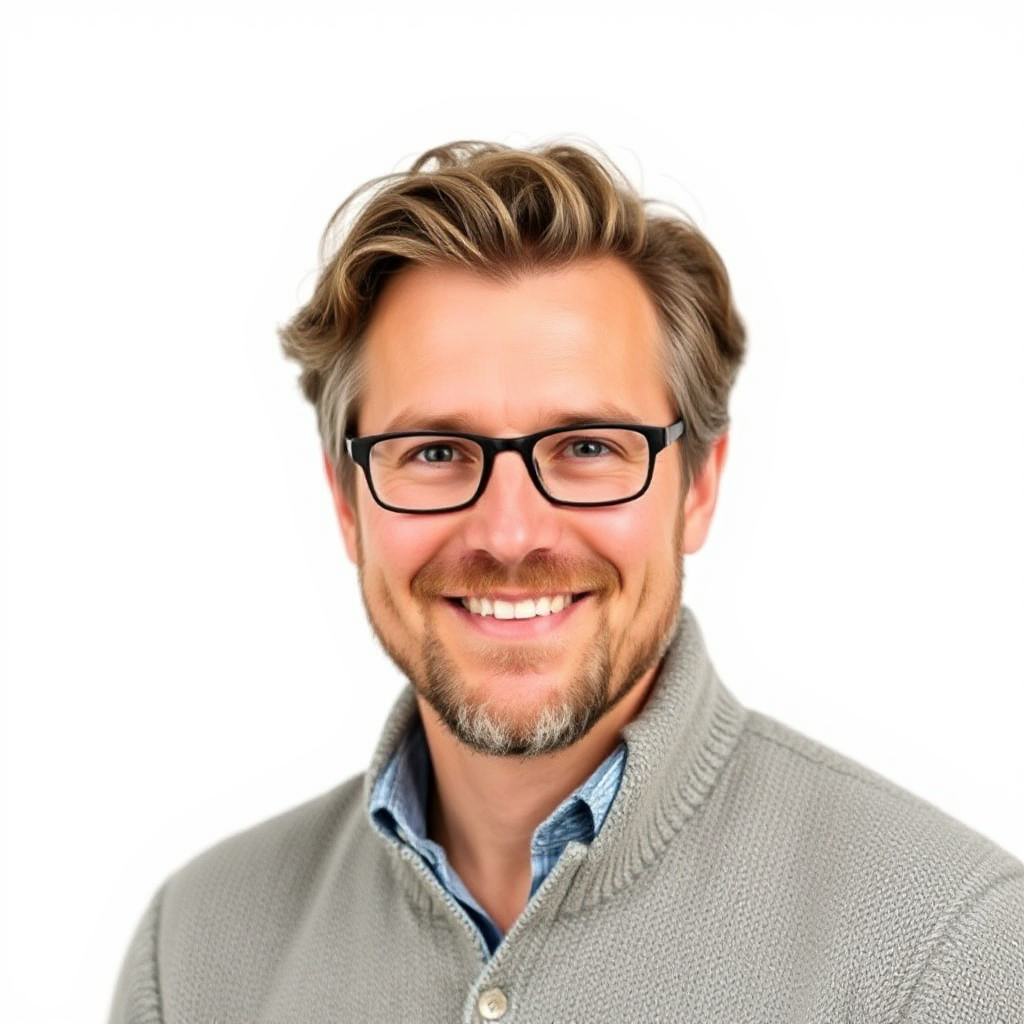
In a compelling address given at the United Nations FAO central hub in the Italian capital, the pontiff delivered an earnest plea to international figures to end worldwide starvation, characterizing the daily suffering of countless individuals without adequate food as “an ethical breakdown”.
Condemnation of Hunger as a Weapon
Throughout his presence at the UN agency, Pope Leo also censured the strategy of employing starvation in conflicts, while refraining from identifying certain disputes or states.
“At a moment when research has lengthened life expectancy, allowing numerous human beings to survive – and perish – struck by hunger is a collective failure, an ethical collapse, a historical injustice.”
Shocking Statistics on Worldwide Food Insecurity
Referencing United Nations statistics, the Pope disclosed that approximately nearly 700 million individuals were not eating enough daily, describing this figure “an obvious indicator of commonplace callousness, of an unfeeling economic system … and of an inequitable and unsustainable framework of wealth allocation”.
Experience of the American Pontiff
The pontiff, the initial US-born head of the Catholic Church, spent much of his vocation before his election as a church envoy in Peru and has focused on aiding the impoverished a central theme of his initial months in office.
Speech Before World Delegates
Pope Leo presented on the fourth day of the week to over one hundred delegations attending a seven-day conference occurring alongside the FAO’s 80th anniversary.
Strong Words on International Protections
Using Spanish as his main language, the pope asserted that modern disputes “have experienced the resurgence of the use of food as a tool in conflicts. Worldwide protection standards, without exception, prohibits assaults against civilians and on goods critical for the continued existence of communities.
“This is often overlooked, for, unfortunately, we witness the ongoing employment of that heartless approach. This cannot persist, since food insecurity is not people's inevitable outcome but society's undoing.”


